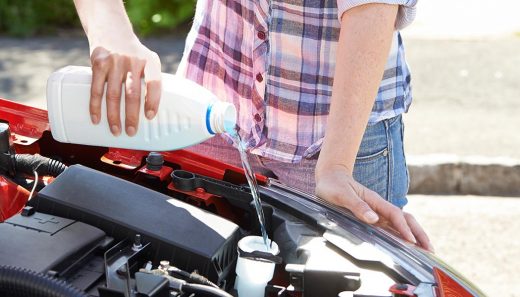
Seasonal Vehicle Maintenance: Getting Your Car Ready for Fall
This article will explore seasonal vehicle maintenance for the fall. Read on to learn about how to keep your car in tip-top shape.

This article will explore seasonal vehicle maintenance for the fall. Read on to learn about how to keep your car in tip-top shape.
You need to keep your car properly washed so it can look beautiful. These tips for washing your car can make it easier.
Every driver has heard the crack of rock hitting glass. Once you've spotted the damage there's, should you fix or replace your windshield?
Using the best engine oil for your car can enhance your vehicle's performance. Here are some tips when it comes to choosing an engine oil.
If your oil pressure gauge fluctuates while driving, there are a number of problems that could cause the issue.
Even though electric vehicles have simpler mechanisms than regular vehicles, electric car maintenance is still needed. Here's what to look for.
Both types have their advantages, depending on how you drive, what you drive and even where you live. We compare performance tires vs. all-season.
People debadge cars for quite a few different reasons. Whatever your reason, you need to know how to debadge a car before you give it a try
Don't know how to change a flat tire? Don't worry, we have you covered. Here's a step by step guide that will prepare you.
Steady or flashing, that orange glow is ominous. So what do you do if your check engine light comes on? We're here to help
Your ride not starting like it used to? It might be time for a new car battery and we're here with a guide to help you choose right


